
A toilet seal may seem like a small part of your bathroom installation, but it plays a big role in preventing leaks and odors. Sitting between the toilet base and the floor flange, this seal ensures an airtight connection every time you flush.
There are two main types of toilet seals to choose from: traditional wax rings and wax-free seals, such as rubber or foam. Both can get the job done, but in different ways. This guide breaks down the pros and cons of each seal, allowing you to choose the best fit for your next project.
What is a Wax Ring?
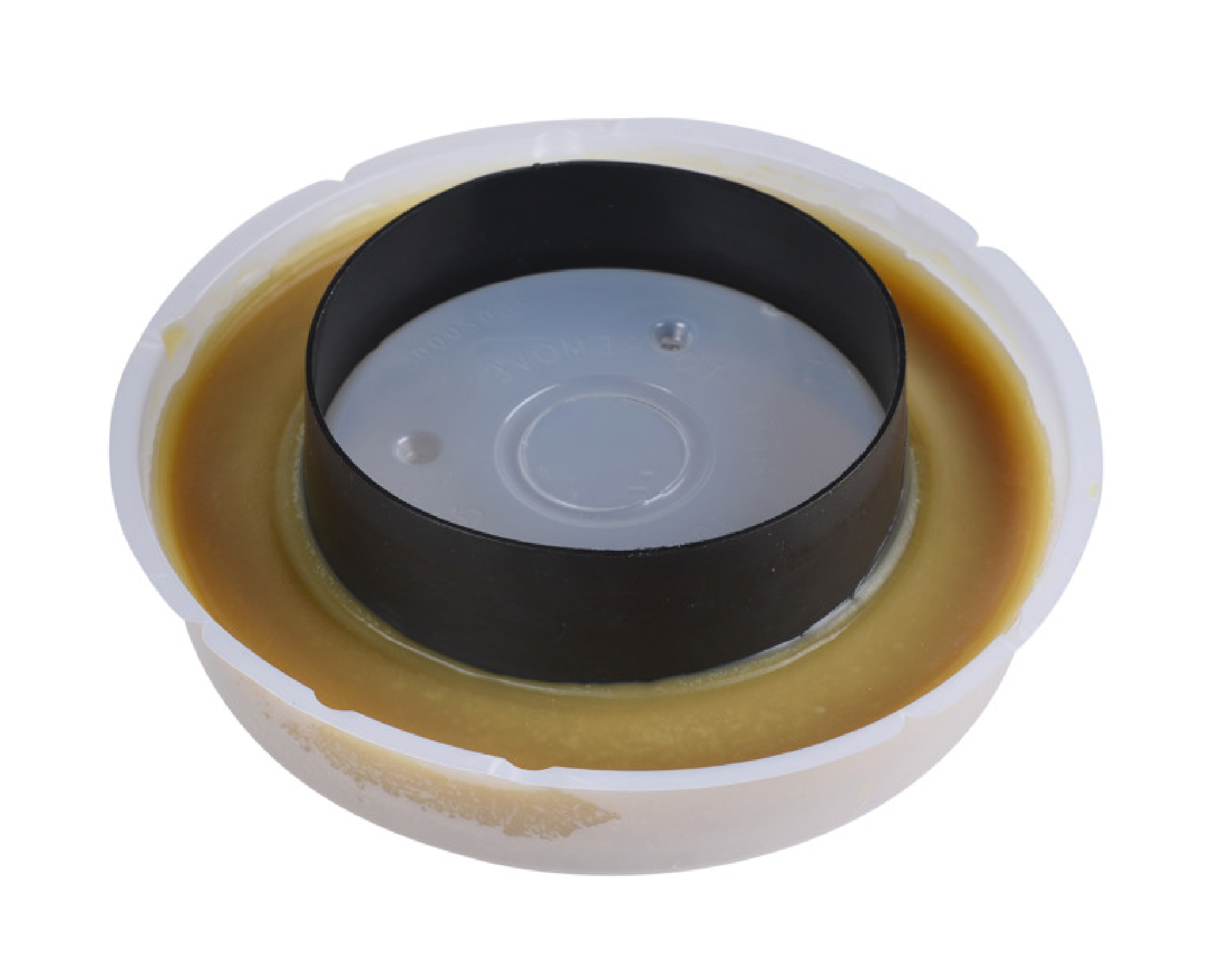
A wax ring is the time-tested option for sealing toilets. Made from pliable wax, it is compressed between the toilet base and the flange to create a watertight and airtight barrier.
Oatey and Hercules® offer reliable wax ring options for every type of install:
- Oatey® Standard Wax Bowl Rings: Dependable seal for most toilets.
- Harvey No-Seep No. 10 Extra Thick Standard Wax: Extra coverage for flanges set below floor level.
- Hercules® Johni-Rings®: Trusted wax solution for professional installs.
Wax Ring vs Waxless Toilet Ring: Pros & Cons of Each
Pros
- Proven performance: Wax rings have sealed toilets effectively for decades.
- Affordable: A budget-friendly option that’s easy to find at any hardware store.
- Reliable Seal: When properly installed, it provides a durable, long-lasting barrier against leaks and odors.
Cons
- Single-use: Cannot be reused once compressed or removed.
- Messy installation: Wax can be sticky and may melt or deform in high temperatures.
- Alignment sensitivity: Wax rings can get misaligned or damaged if the toilet isn’t set correctly the first time.
For a deeper dive into how they work, check out Oatey 101: Wax Rings.
What is a Wax-Free Toilet Seal?
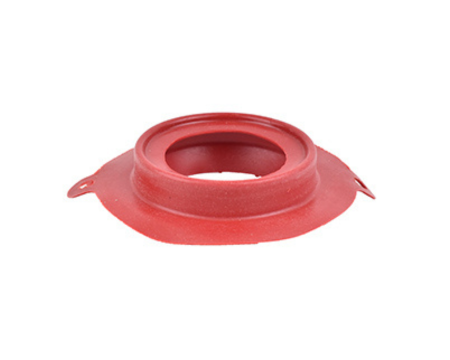
Wax-free toilet seals are an alternative made from flexible rubber or plastic foam. Instead of relying on wax compression, they use a durable rubber material gasket that adapts to the flange and floor height. The rubber material can flex and adapt to slight movements, maintaining the seal over time. Many models include spacers or alignment features to simplify installation.
Some different types of non-wax toilet seals include:
- Rubber gaskets: Made from high-quality rubber materials that are flexible and durable. They create a seal by compressing between the toilet and the flange, similar to wax rings. However, the rubber material can flex and adapt to slight movements, maintaining the seal over time.
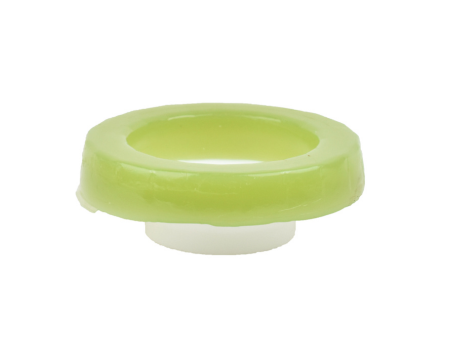
- Foam gaskets: Made from high-density foam that provides a cushion-like seal. They are designed to resist deformation and adapt to uneven surfaces. The foam gasket compresses when installed to fill gaps and create a tight seal. The foam material is resilient and can accommodate minor shifts without compromising the seal.
Pros
- Mess-free: Rubber gaskets are less messy and easier to handle.
- Repositionable: Easily adjusted if you need to reset the toilet.
- DIY-friendly: Ideal for beginners and homeowners.
- Reusable: Some models can be removed and reused.
- Temperature stable: Rubber gaskets are less affected by temperature fluctuations.
Cons
- Higher cost: Non-wax gaskets are generally more expensive, which can add up if multiple toilets need sealing.
- Fit sensitivity: May not work with all flange heights or toilet designs.
- Chemical sensitivity: Some non-wax gaskets can degrade when exposed to certain cleaning chemicals, potentially leading to leaks.
- Unproven Longevity: While newer non-wax gaskets perform well initially, their long-term durability is not as well-documented as wax rings.
To learn more about installation, check out How to Replace a Toilet Wax Ring.
When Should You Use Each?
Use a wax ring if:
- You’re comfortable with traditional installation methods.
- The toilet won’t be repositioned after placement.
- You’re working within a tight budget.
- You need proven reliability.
Use a wax-free seal if:
- You’re new to DIY projects.
- You may need to adjust or remove the toilet later.
- You’re working in areas with temperature extremes or potential movement.
For step-by-step instructions on how to replace a toilet wax ring, read: How to Replace a Toilet Wax Ring.
Whether you prefer a classic wax ring or a modern wax-free seal, both options can deliver a secure, leak-free installation when properly installed. The key is matching the seal type to your flange height, toilet base, and comfort level.
Published on February 27, 2026