
Sewer gas odor in your house is typically caused by dry P-traps, blocked sewer lines, improperly installed toilets, damaged plumbing vents, or sulfur bacteria in water heaters. These issues allow hydrogen sulfide gas and other sewer gases to escape into your living space, creating a foul smell that resembles rotten eggs or sewage.
If you've ever noticed a foul odor in your home that resembles sewage or rotten eggs, you're not alone. Many homeowners experience these unpleasant smells, which can stem from various sources including plumbing issues, water contamination, or improperly vented drainage systems.
In this comprehensive guide, we'll explore the common reasons behind sewer gas and rotten egg odors and provide practical, proven solutions to eliminate them.
What Causes Sewer Gas Smell in Your House?
Sewer gas smell in your house is caused by several plumbing-related issues that allow gases to escape from your drainage system into your living space. Identifying and addressing the cause quickly is crucial for maintaining a healthy and comfortable living environment.
What Are the Most Common Causes of Sewer Gas Odor Indoors?
The following table outlines the primary causes of sewer gas smell in homes and their identifying characteristics:
| Cause | How It Creates Odor | Common Locations |
|---|---|---|
| Dry P-trap | Water evaporates, removing the gas barrier | Basement drains, guest bathrooms, laundry rooms |
| Blocked sewer line | Backups force gases into the home | Throughout the house, especially lower levels |
| Improperly installed toilet | Wax ring fails to seal properly | Bathrooms with recent toilet installation |
| Damaged plumbing vents | Gases can't escape outdoors | Entire home, especially upper floors |
| Sulfur bacteria in water heater | Bacteria produce hydrogen sulfide gas | Hot water fixtures, laundry room |
| Broken sewer line | Cracks allow gas to escape | Basement, crawl spaces, foundation areas |
How Does a Blocked or Damaged Sewer Line Cause Sewage Smell?
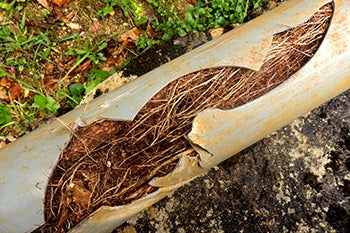
A blocked or damaged sewer line creates sewage smell when wastewater and sewage cannot flow properly through sewer pipes. Any blockage or damage leads to leaks or backups, resulting in a distinct sewage smell permeating the house.
These odors can also be caused by improperly installed drainage, which can be as simple as stuffing a rag into an open drain pipe and trying to cover it up with a wall instead of using a proper cap that would securely seal the pipe opening. Tree root invasion, debris accumulation, or deteriorating pipes are the most common culprits behind sewer line blockages.
Why Do Dry P-Traps Cause Sewer Gas Odor?
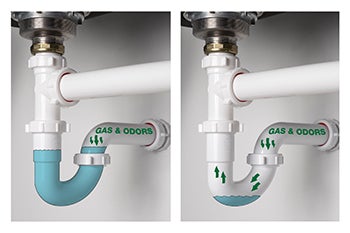
Dry P-traps cause sewer gas odor because the water seal that normally blocks gases has evaporated, creating a direct pathway for sewer gases to enter your home. The P-trap is a U-shaped pipe section designed to hold water and create a barrier between your living space and the sewer system.
Typically, any fixture you use regularly will not trigger this issue. However, floor drains in laundry rooms or basements that seldom see drainage often have a dry P-trap. If a washing machine, laundry tub, sink, or tub/shower in a basement has gone unused for an extended period (typically 2-4 weeks), the water inside the P-trap can evaporate completely, allowing foul odors to escape into the air.
Can Improperly Installed Toilets Cause Sewer Gas Leaks?
Yes, improperly installed toilets are a common source of sewer gas leaks in bathrooms. A toilet flange installed too low (below the finished floor, instead of above) will render the wax ring ineffective because it cannot create proper compression between the toilet and the flange.
Additionally, if the installer compressed the wax too much on one side during installation, this creates just enough room for sewer gas to escape around the seal. Signs of an improperly installed toilet include persistent sewer smell near the toilet base, visible water seepage, or a rocking toilet.
How Do Sulfur Bacteria in Water Heaters Create Rotten Egg Smell?
Sulfur bacteria in water heaters create rotten egg smell by reacting with the magnesium or aluminum anode rod inside the tank, producing hydrogen sulfide gas. This gas has a distinctive rotten egg odor that becomes noticeable when you run hot water from any fixture.
Flushing your water heater can help eliminate these bacteria. To do this:
- Turn off the power or gas supply to the water heater
- Attach a garden hose to the drain valve at the bottom of the tank
- Let the water run until it clears of sediment (typically 10-15 minutes)
- Refill the tank and restore power
You may also need to replace the anode rod with an aluminum-zinc alternative to prevent future bacterial growth.
What Happens When Plumbing Vents Are Improperly Installed?
When plumbing vents are improperly installed or blocked, sewer odors are forced back into your home instead of being safely vented outdoors. Plumbing vent pipes regulate air pressure in your drainage system and direct sewer gases safely outside through your roof.
If these vents are poorly installed, blocked by debris, or damaged by weather, the negative pressure in your plumbing system can pull water out of P-traps or force gases back through fixtures. A professional plumber can assess and correct venting issues to restore proper airflow. Common signs include gurgling drains, slow drainage, and intermittent sewer odors.
Can Sink Overflow Drains Cause Foul Odors?
Yes, sink overflow drains can cause foul odors when they trap food particles, mold, soap scum, and debris over time. The overflow drain is the small opening near the top of your sink basin designed to prevent overflows, but it often becomes a breeding ground for bacteria.
Regularly cleaning these drains with a mixture of baking soda and vinegar, followed by hot water, can help prevent unpleasant smells. For best results, clean overflow drains monthly by pouring 1/2 cup of baking soda followed by 1 cup of vinegar, letting it sit for 15 minutes, then flushing with hot water.
How Can You Prevent Sewer Gas Smell in Your Home?
Preventing sewer gas smell in your home requires proper maintenance and proactive measures. The following eight strategies will keep your home free from sewer gas odors.
Keep P-Traps Filled with Water so they Don’t Dry Out
Keep P-traps filled by ensuring they always contain water to maintain the gas barrier. For regularly used fixtures, normal use keeps P-traps filled. For infrequently used drains, pour 1 gallon of water down the drain monthly to reprime the trap.
As you put more water in the drain, you ensure smooth wastewater flow to prevent buildup and clogs while maintaining the water seal that blocks sewer gas. For vacation homes or seasonal properties, consider adding a small amount of mineral oil (1-2 tablespoons) to P-traps before extended absences, as it floats on water and slows evaporation.
Use a Drain Seal to Block Sewer Gas Odors
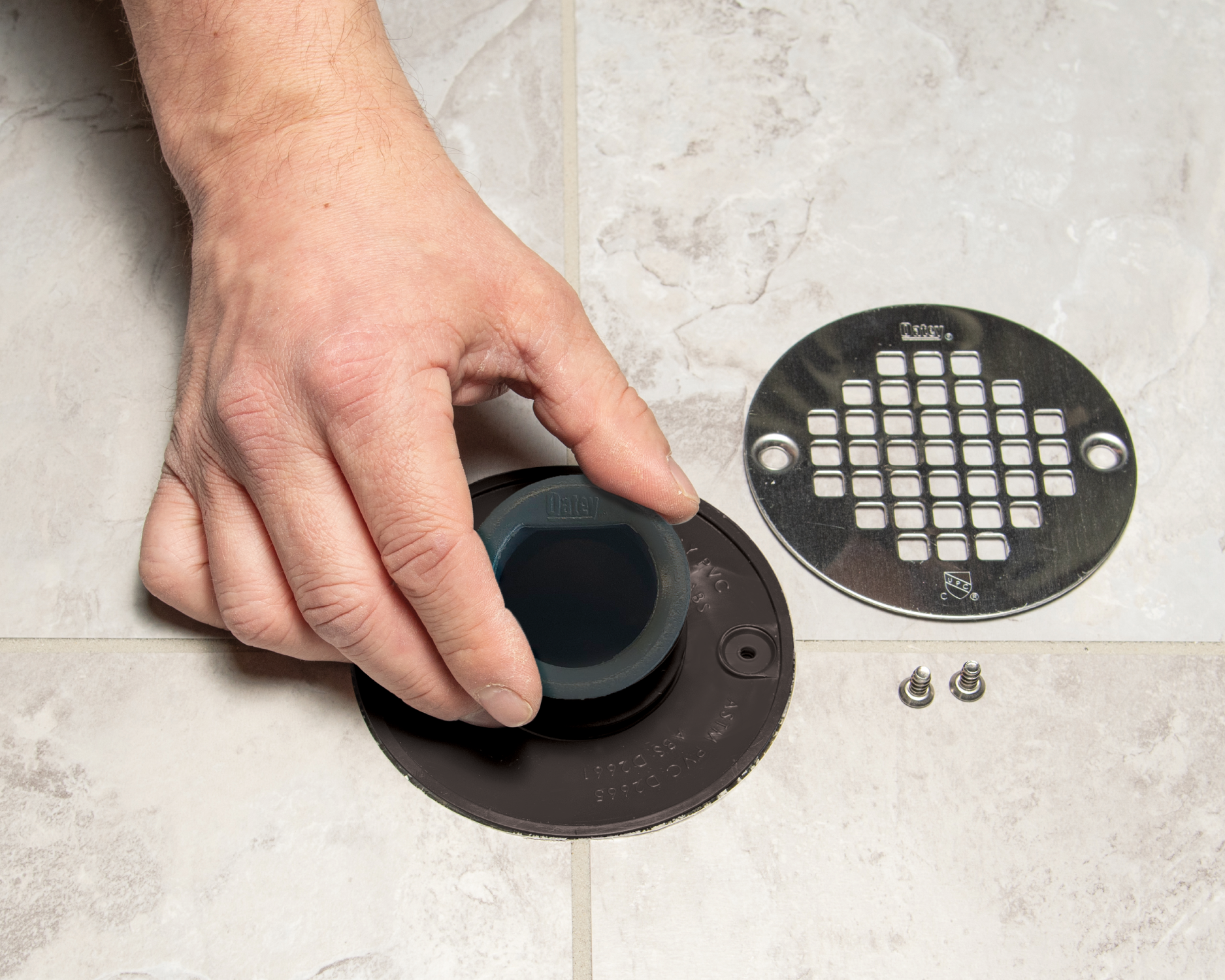
The Oatey® Drain Seal is the best solution for blocking sewer gas odors in infrequently used drains. This product uses a one-way valve to block odors, insects, and rodents from entering your home while still allowing water to drain when needed.
Specifically designed for infrequently used drains where problems often develop, the Oatey Drain Seal is compatible with drains or pipes with a two-inch or three-inch outlet. That makes it suitable for basements, laundry rooms, guest bathroom showers, or floor drains.
The installation process is tool-free and easy, but it is crucial to select the correct size for your pipe. For example, if you have a two-inch line, be sure to use a two-inch drain seal to ensure a proper fit and effective sealing. The valve automatically opens when water flows and closes when drainage stops, maintaining a permanent barrier against sewer gases.
Use Drain Strainers to Catch Debris
Drain strainers help prevent sewer gas smell by catching debris before it enters pipes, preventing clogs that can lead to backups and gas leaks. Install drain strainers in sinks, showers, and floor drains to catch hair, food particles, soap residue, and other debris.
This preventive measure helps maintain proper drainage flow and keeps sewer odors from escaping into your home. Clean strainers weekly by removing accumulated debris to maintain effectiveness.
(Keep Image in current location)
Use Pipe Plugs to Identify Leaks
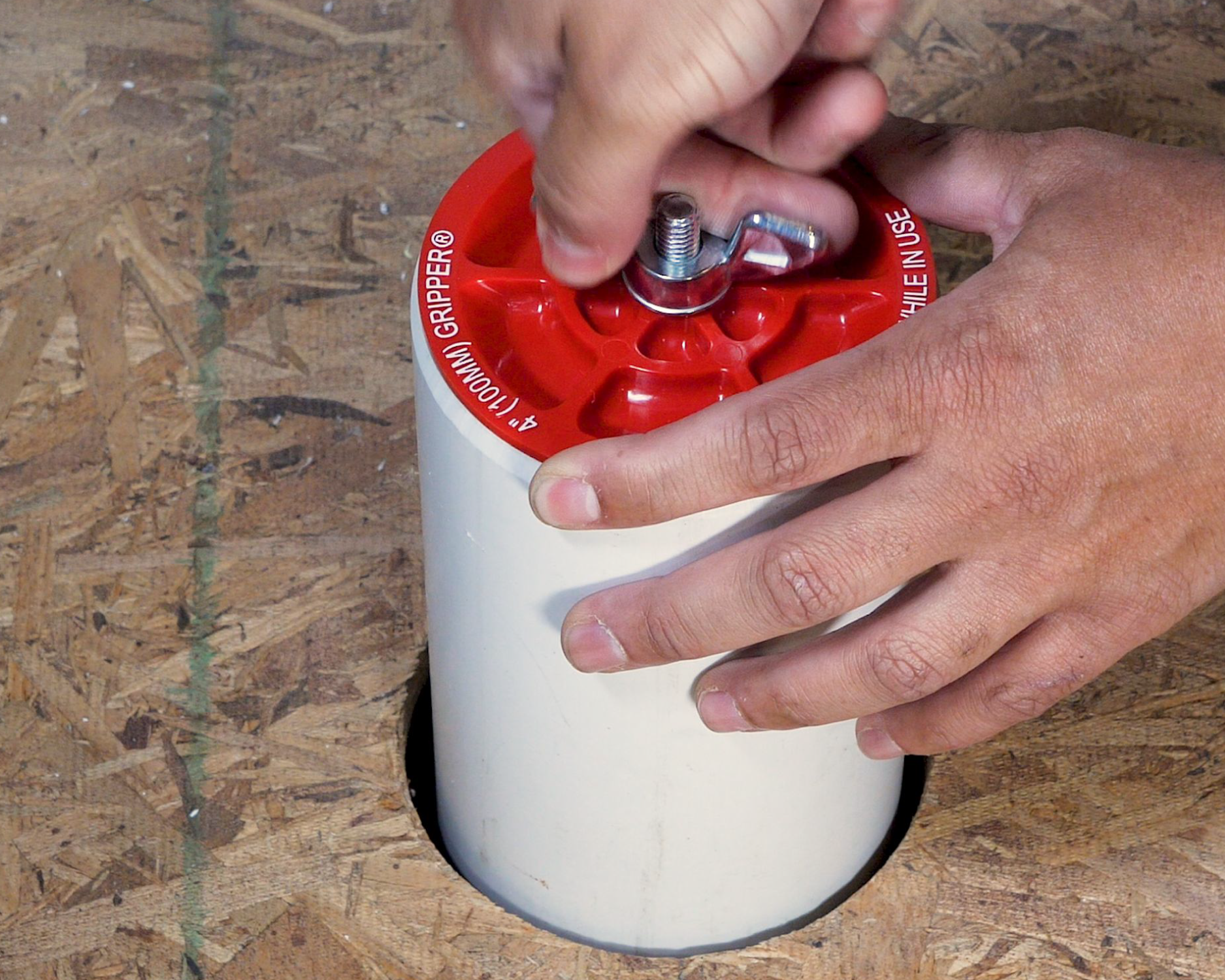
Cherne® Gripper® Plugs are essential tools for detecting sewer gas leaks during DWV (drain, waste, and vent) testing and stack testing. Their secure, end-of-pipe fit and inside-of-pipe design allow for flexible positioning, making them ideal for pinpointing odor sources.
By inserting a plug and filling the pipe with smoke or air, plumbers can easily identify where smoke escapes, revealing potential leaks. Additionally, the Hercules Megabubble Leak Detector is an excellent tool for detecting even the smallest leaks by creating visible bubbles when gas or air escapes.
The Cherne® Clean Seal, which inflates to create a tight seal in a cleanout fitting, is another effective solution for isolating leaks and preventing sewer gases from escaping during testing and repairs.
Maintain Regular Plumbing System Maintenance
Regular plumbing system maintenance is important for preventing odors because it identifies leaks, damaged pipes, or blockages before they become serious problems. Inspect your plumbing system at least annually, checking for:
- Visible leaks or water stains
- Slow draining fixtures
- Unusual sounds (gurgling, bubbling)
- Persistent odors near fixtures
- Water pressure changes
Promptly repair any issues to prevent sewage leaks and unpleasant odors. Professional plumbers recommend annual inspections for homes over 25 years old and bi-annual inspections for homes with older plumbing systems.
Properly Vent Your Plumbing System and Home
Properly vent your plumbing system by ensuring vent pipes are clear, unobstructed, and correctly sized according to plumbing codes. A well-ventilated plumbing system safely releases sewer gases outdoors through roof vents.
Regularly inspect vent pipes to ensure they are not blocked by debris, bird nests, or animals. If traditional venting is not an option due to structural limitations, Air Admittance Valves (AAVs) can serve as an alternative solution. For installation guidance, refer to our project guide.
Additionally, proper home ventilation is essential for reducing sewer gas smells. Open doors and windows regularly, use exhaust fans in bathrooms and kitchens, and consider installing a ventilation system with a carbon filter to help eliminate lingering odors and improve indoor air quality.
Dispose of Waste Properly
Never flush non-biodegradable items to prevent sewer line backups and the resulting foul odors. Avoid flushing:
- "Flushable" wipes (they don't break down despite marketing claims)
- Feminine hygiene products
- Cotton swabs and cotton balls
- Dental floss
- Paper towels
- Excessive amounts of toilet paper
- Cooking grease or oils
- Medications
These items cause blockages and sewage backups, leading to foul odors and potentially expensive repairs. Only human waste and toilet paper should be flushed down toilets.
Schedule Professional Sewer Line Inspections Regularly
Schedule professional sewer line inspections every 2-3 years for homes with modern plumbing, and annually for homes over 40 years old or with known plumbing issues. Have a professional plumber inspect your sewer lines to detect and address any hidden damage or blockages before they become significant problems.
Professional camera inspections can identify tree root intrusion, pipe deterioration, and developing blockages before they cause backups. This preventive approach saves money compared to emergency repairs and prevents the health hazards associated with sewer gas exposure.
How Do You Remove Sewer Gas Smell from Your Home?
Removing sewer gas smell from your home requires identifying the source and taking appropriate corrective action. Follow these systematic steps to eliminate the odor permanently.
Identify the Source of Sewer Gas Odor
Identify the source of sewer gas odor by systematically inspecting areas where sewer gases commonly escape, including drains, toilets, and plumbing fixtures. Begin your inspection by:
- Checking all P-traps for water (pour water down infrequently used drains)
- Inspecting around toilet bases for moisture or loose seals
- Examining visible pipes for cracks or damage
- Sniffing near floor drains and cleanout access points
- Checking for gurgling sounds when water drains
Look for signs of leaks, damage, or blockages. If the odor is strongest near specific fixtures, that's likely your source. For hidden leaks within walls or under floors, professional detection equipment may be necessary.
Repair or Replace Damaged Plumbing
Repair or replace damaged plumbing immediately when leaks or damages are found in your plumbing system. Promptly address affected components by:
- Tightening loose pipe connections
- Replacing broken wax rings on toilets
- Fixing cracks in pipes or fixtures with appropriate repair methods
- Replacing corroded or deteriorated pipes
- Resealing joints that show signs of failure
Delaying repairs allows sewer gas exposure to continue and can lead to more extensive damage. Most repairs should be completed within 24-48 hours of identification to minimize health risks and prevent further deterioration.
Clean and Deodorize Drains
Clean and deodorize drains by removing accumulated debris, grease, and organic matter that causes foul odors. Over time, drains accumulate these materials, creating breeding grounds for odor-causing bacteria.
Regularly clean your drains using this effective method:
- Pour 1/2 cup of baking soda down the drain
- Follow with 1 cup of white vinegar
- Let the mixture sit and fizz for 15-30 minutes
- Flush with 1 gallon of hot (not boiling) water
- Repeat monthly for maintenance
Properly Ventilate Your Home
Proper ventilation helps remove sewer gas smell by diluting the concentration of gases in your home and replacing contaminated air with fresh outdoor air. Adequate ventilation reduces the concentration of sewer gas and accelerates odor dissipation.
Open windows and doors to allow fresh air to circulate and decrease the odor. Use exhaust fans in bathrooms, kitchens, and laundry rooms to vent any lingering smells outdoors. Run exhaust fans for at least 15-20 minutes after identifying sewer gas odor.
Use Odor Absorbers for Sewer Gas Smell
Activated charcoal-based odor absorbers work best for neutralizing sewer gas smell because they chemically bind to hydrogen sulfide and other odor-causing compounds. Several commercial odor absorbers are available that can help neutralize sewer gas smells effectively.
Charcoal-based odor absorbers or baking soda can be placed near the source of the odor or in affected rooms to absorb and neutralize the smell. For best results:
- Place activated charcoal bags within 3-5 feet of the odor source
- Replace or recharge charcoal monthly
- Use multiple absorbers in larger rooms
- Combine with proper ventilation for faster results
Note that odor absorbers treat symptoms, not causes. Always identify and fix the underlying plumbing issue for permanent resolution.
Seek Professional Help
Seek professional help for sewer gas odor when you cannot identify the source after systematic inspection, when odors persist despite attempted fixes, or when you suspect hidden leaks within walls or under floors. If you're unable to identify or eliminate the source of the sewer gas smell on your own, it's advisable to call a professional plumber or a sewer and gas odor specialist.
Professional plumbers have specialized equipment including:
- Smoke testing machines to identify leak points
- Camera inspection systems for inside pipes
- Gas detection meters to measure concentrations
- Pressure testing equipment for drainage systems
They have the expertise and equipment to detect and resolve complex issues related to sewer gas odors that aren't accessible to homeowners. Professional intervention is especially important if multiple family members experience symptoms like headaches, nausea, or respiratory irritation.
Published on May 07, 2026
Frequently Asked Questions
-
Is sewer gas dangerous to breathe?
-
Yes, sewer gas can be dangerous to breathe in high concentrations. Sewer gas contains hydrogen sulfide, methane, ammonia, and other compounds that can cause headaches, nausea, dizziness, and respiratory irritation. Prolonged exposure to high concentrations can be toxic. If you smell sewer gas, identify and fix the source promptly and ventilate your home thoroughly.
-
-
How long does it take for a P-trap to dry out?
-
A P-trap typically takes 2-4 weeks to dry out completely under normal household conditions, though this varies based on humidity, temperature, and air circulation. In dry climates or well-ventilated areas, P-traps can dry out in as little as 1-2 weeks. Running water through infrequently used drains monthly prevents this problem.
-
-
Can sewer gas smell come and go?
-
Yes, sewer gas smell can come and go based on factors like wind direction affecting roof vents, changes in atmospheric pressure, water usage patterns, and HVAC system operation. Intermittent odors often indicate partially blocked vents, marginally dry P-traps, or small leaks that only release gas under certain conditions. Consistent odors typically indicate a more serious problem.
-
-
What does sewer gas smell like exactly?
-
Sewer gas smells like rotten eggs, sulfur, or decaying organic matter due to hydrogen sulfide gas. Some people describe it as a "swampy" or "musty" smell mixed with sewage. The intensity varies from mildly unpleasant to overwhelmingly foul depending on concentration and proximity to the source.
-
-
Will pouring bleach down the drain eliminate sewer gas smell?
-
No, pouring bleach down the drain will not eliminate sewer gas smell because bleach doesn't address the underlying cause (dry P-traps, leaks, or blockages). While bleach may temporarily mask odors or kill bacteria, it can damage pipes and doesn't fix the structural issues allowing gas to escape. Use proper diagnostic and repair methods instead.
-