
If you've ever installed a toilet, you know how crucial it is to obtain a proper seal for the integrity and cleanliness of a bathroom. While there are many taboos installers should avoid when setting toilets, none are as frowned upon as double-stacking wax toilet rings.
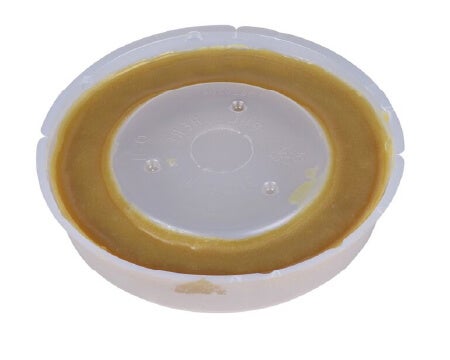
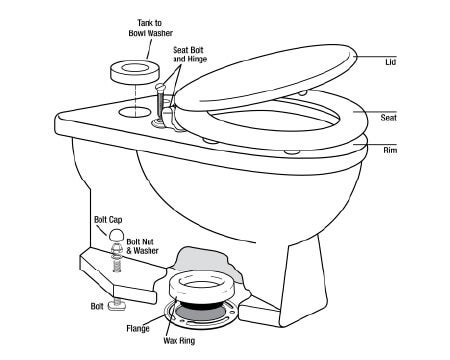
Stacking wax rings refers to placing more than one wax ring between a toilet and the flange (the pipe fitting on the floor) to create a proper seal. It is a common DIY "hack" often shared in forums or on YouTube.
The Problem with Stacking Wax Rings
Typically, a single wax ring seals the gap and prevents leaks between the toilet base and the drain pipe. However, if the flange sits too low below the finished floor, a single ring might not make complete contact. This may lead to an installer stacking two wax rings, which is often a standard ring plus an extra-thick one, to ensure a tight, leak-free seal.
You may be tempted to think that doubling the rings equates to a stronger, more stable connection, but that thinking couldn't be more mistaken. Going down that path will likely result in costly consequences such as leaks, odors, and repairs.
Stacking wax rings will not result in a better or more secure seal. In fact, it will have the opposite effect. Because stacking wax rings requires joining two separate pieces, gaps are created where sewage byproducts can escape. This is due to the rings not fully molding to form one solid new piece.
If you are looking to learn how to replace a wax ring, check out our step-by-step guide: How to Replace a Toilet Wax Ring.
Why People Stack Wax Rings (and Why It Backfires)
Stacking wax rings may seem like a simple enough idea, but there are several reasons why stacking wax rings causes more trouble than it solves.
Why people try it:
- Flange is set too low: The toilet flange sits below the finished floor, leaving a space that the wax ring can't fully seal.
- Toilet is rocking or not sealing: When the base isn't level, people assume more wax will stabilize it.
- Wax Ring looks "too short": The ring doesn't seem tall enough to contract the toilet horn, so a second one feels like a quick fix.
Why stacking wax rings is problematic:
- Inconsistent compression: Wax rings don't compress evenly when stacked, leaving gaps.
- Wax can slide or shift: The layers don't adhere together, so movement breaks the seal.
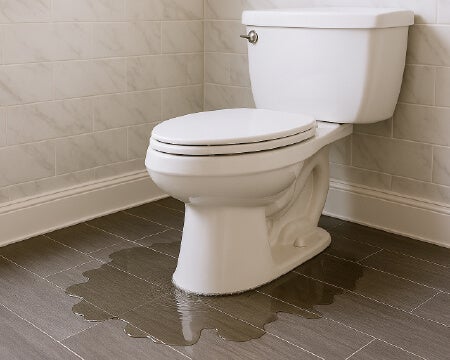
- Incomplete seal: Even a tiny gap can allow sewer gas to escape or permit water leaks.
- Hidden long-term damage: Over time, leaks can cause the subfloor to rot, promote mold growth, and corrode the flange or bolts.
Better Alternatives to Stacking Wax Rings
If your toilet flange sits too low or you're tempted to "double up" wax rings, there are safer, long-term solutions that create a proper seal without risking leaks or damage.
These solutions create a durable, watertight seal - no messy surprises later:
- Use an extra-thick wax ring: Designed specifically for flanges that sit below floor level, extra-thick wax rings (like the Harvey® No-Seep® No. 10 Extra Thick Standard Wax) fill the gap in a single layer and maintain a tight, even seal.
- Add a toilet flange spacer or extender: A flange extender kit raises the flange height to match the finished floor. Products like the Oatey® Set-Rite® Toilet Flange Extension Kits are easy to install and ensure a secure fit for one proper wax or wax-free seal.
If you are looking to learn how to repair or replace a toilet flange, check out our step-by-step guide: How to Repair a Toilet Flange. - Replace the flange entirely: If the flange is damaged, corroded, or set too deeply, replacement is the most effective solution. Installing a new flange restores the proper height and ensures a leak-free, code-compliant connection.
Not sure what type of toilet flange to install? Check out A Guide to Toilet Flange Types.

Stacking wax rings may seem like a quick fix, but it often leads to hidden leaks and costly repairs. When multiple rings are layered, they rarely compress evenly or stay in place, creating small gaps where water or sewer gas can escape. Over time, that trapped moisture can seep beneath the toilet, causing subfloor rot, mold growth, rusted hardware, and even structural damage.
What starts as a five-minute "hack" can quickly turn into a weekend repair involving flooring replacement or flange reconstruction. By using the right materials such as an extra-thick wax ring or flange extender, you can achieve a secure, code-compliant installation that lasts for years.
So before you reach for that second wax ring, remember: it's not just about stopping a leak. It's about protecting your bathroom from long-term damage.
Published on February 22, 2024