
A leaking toilet wastes water and raises your bill, but most leaks have clear fixes you can handle yourself. Identifying the leak type quickly helps save money and prevents damage. Main causes are seal failures, flange damage, loose bolts, and tank leaks. This guide gives you clear steps to diagnose and fix each type, designed for DIY homeowners.
How to Identify What Is Causing a Toilet to Leak
Toilet leaks fall into four main groups: leaks inside the tank, leaks at the base, leaks from the water supply line, and leaks caused by damaged parts like the flapper or seals. Look for these signs to diagnose your leak:
- Water pooling around the toilet base usually points to a wax ring or flange failure.
- Dripping sounds or colored water in the bowl suggest a flapper leak.
- Water beneath the tank indicates a fill valve or gasket leak.
- Moisture or puddles near the supply line suggest a supply line leak.
Finding the right source makes fixing the leak easier and prevents you from buying the wrong parts.
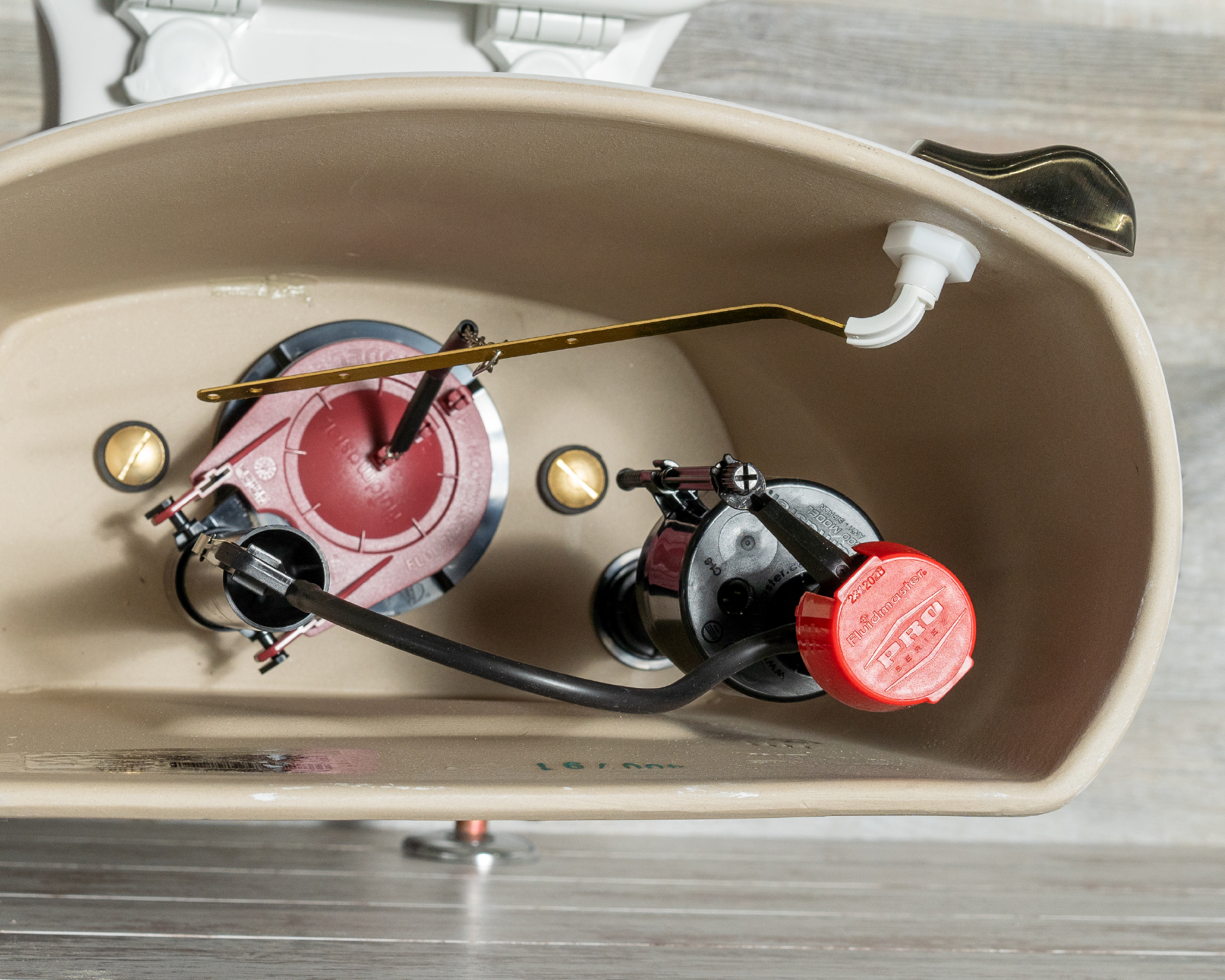
Deformed or Blocked Flapper
The flapper is a rubber or plastic valve inside the tank that opens when you flush, allowing water to flow into the bowl. It then reseals to stop water from running constantly.
Over time, flappers can warp, crack, or get mineral buildup, causing silent leaks that waste water without obvious signs. You can test for a flapper leak by adding food coloring to the tank; if the color appears in the bowl without flushing, the flapper is leaking.
Steps to Repair or Replace a Flapper
Difficulty level: Easy; most homeowners can complete this fix independently.
- Turn off the water supply valve and flush to empty the tank.
- Disconnect the chain from the old flapper.
- Remove the worn flapper and replace it with the same type and size.
- Reattach the chain and adjust length to help proper flush lever movement.
To Remove a Blockage: If mineral deposits block sealing surfaces, clean them gently or replace the flapper if it is more than two years old.
Compromised Fill Valve Connection
The fill valve refills the tank after flushing and is sealed to the tank by a nut and rubber gasket. If the gasket cracks or the nut loosens, water can leak at the floor beneath the tank. Over time, mineral deposits and normal wear can accelerate gasket deterioration, making periodic inspection important. Tightening the locknut or replacing the gasket are straightforward fixes that can prevent water damage to flooring and subfloor.
How to Fix a Compromised Fill Valve Connection
Difficulty level: Moderate; some homeowners can handle these repairs on their own.
- Inspect the gasket for cracks or wear; replace if damaged.
- Hand-tighten the nut securing the valve to the tank; avoid overtightening.
- Check the float moves properly so the fill valve shuts off the water flow when full.
If leaks persist, replacing the entire fill valve may be necessary.
Cracked Water Supply Line
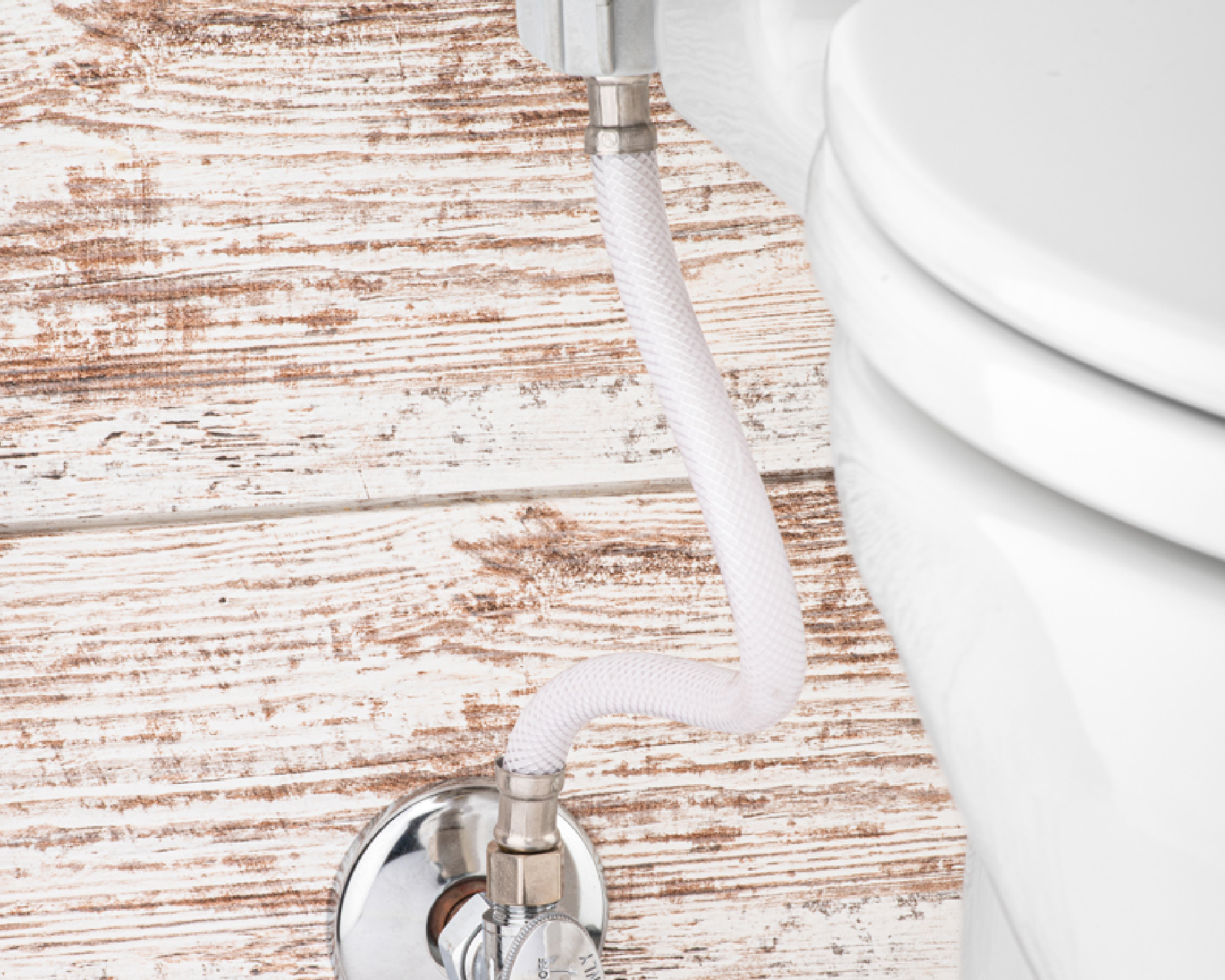
The water supply line connects your shut-off valve to the fill valve. It can crack or loosen from water pressure, vibrations, or impacts. Leaks here cause pooling near the base and risk flooding.
Replacing a Faulty Water Supply Line
Difficulty level: Moderate; some homeowners can handle these repairs on their own.
Recommended every 3–5 years or after toilet replacement, this moderate-level repair involves:
- Turning off the water supply.
- Flushing and emptying the tank.
- Disconnecting the old supply line from the shut-off valve and fill valve with a wrench.
- Installing the new supply line and tightening connections by hand.
- Restoring water flow and checking for leaks.
Regular inspection helps prevent sudden failures.
Broken Tank-to-Bowl Gasket
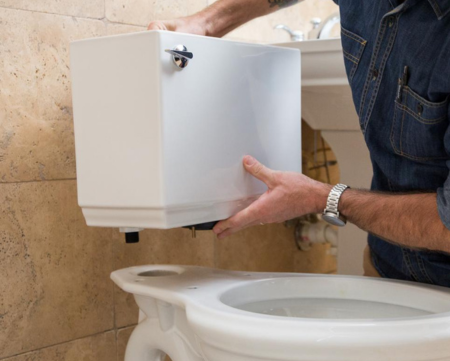
The tank-to-bowl gasket seals where the toilet tank meets the bowl to prevent leaks. When damaged, water leaks at the tank base.
Replacing the Tank-to-Bowl Gasket
Difficulty level: Moderate; some homeowners can complete this repair on their own.
- Turn off the water supply valve, then fully drain the tank using a sponge or by flushing, and disconnect the supply line.
- Loosen and remove the bolts running through the inside of the tank and the bottom of the bowl, then lift the tank free.
- Remove the old gasket from the tank outlet and press the new one into place — it should snap on easily.
- Check the bolt rubber washers and bolts themselves. If the rubber is cracked or the bolts are corroded, replace them now before reinstalling the tank.
- Set the tank back onto the bowl and hand-tighten the bolts, alternating sides to ensure even seating. Tighten enough to prevent movement, but avoid overtightening, which can crack the porcelain.
- Reattach the supply line to the tank and turn the water supply valve back on, allowing the tank to fill completely.
- Flush the toilet several times, then use a flashlight to closely inspect the gasket area and bolt connections for any signs of leaking water.
- If any seepage is detected, carefully tighten the bolts in small increments until the leak stops.
Damaged Closet Flange or Toilet Wax Ring
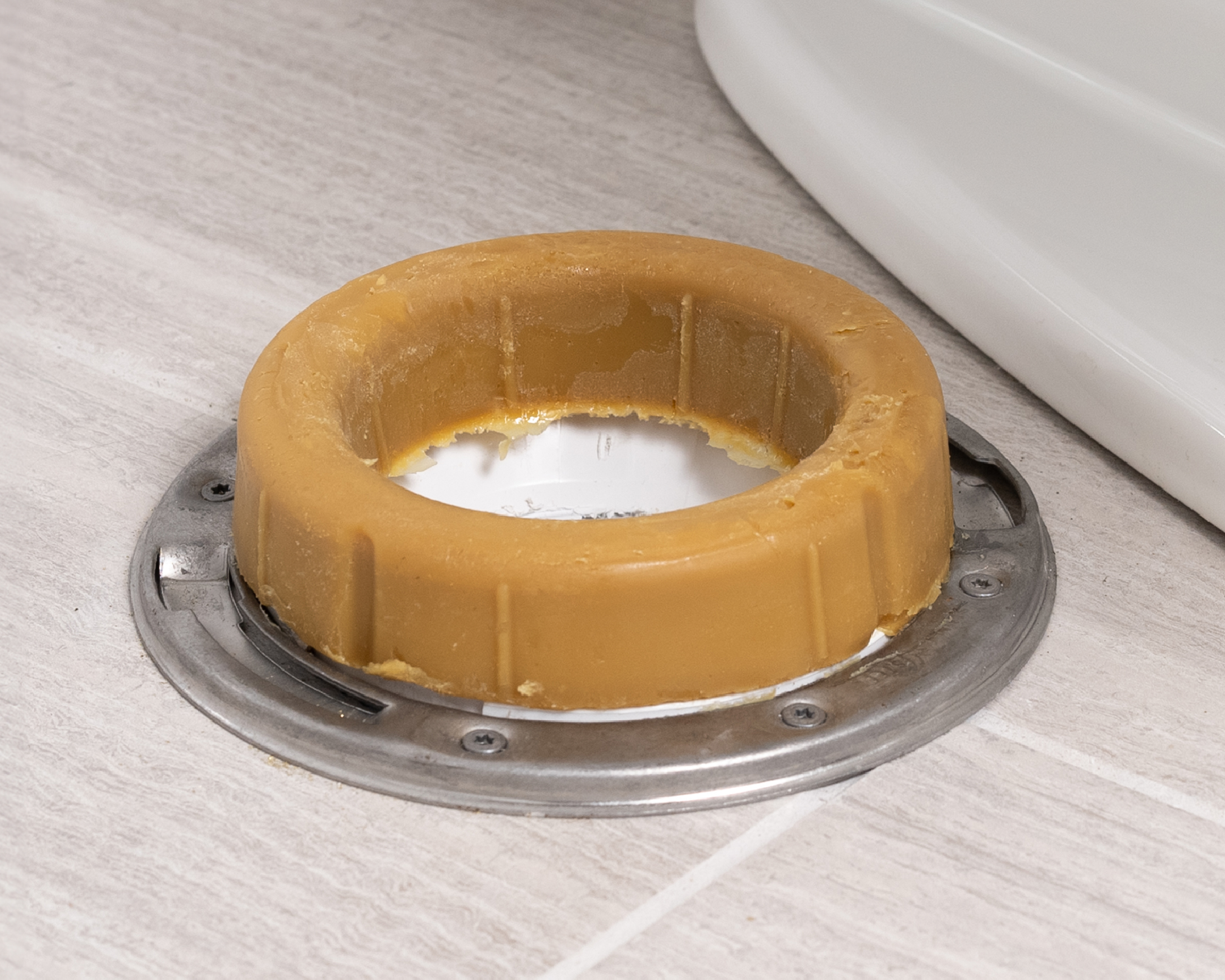
The closet flange secures the toilet to the floor and connects to the sewage pipe. A wax ring seals between the toilet base and flange to keep water and sewer gases contained.
If the flange cracks or the wax ring is improperly installed or unevenly compressed (often from rocking the toilet during installation), water leaks at the base occur, potentially damaging floors and ceilings below.
Improper installation practices are typically the reason for this type of failure. Many people tend to rock a toilet back and forth during installation. Because wax material has no memory, it won't be compressed evenly if this rocking movement occurs. A lack of even wax compression will likely result in several leak paths. That’s why we recommend slightly twisting side-to-side when placing a new toilet on the wax seal.
Why Professionals Should Replace Flanges and Wax Rings
Difficulty level: Expert, a professional plumber is highly recommended.
Replacing or repairing flanges and wax rings involves removing the toilet and careful installation. Because of the risk of damage and complexity, this task is best handled by a professional plumber. They help:
- The flange is secure and undamaged.
- The wax ring is installed properly without crushing or shifting.
- The toilet is securely mounted to prevent future leaks.
Have you exhausted our list and still need help fixing your toilet? Call your local plumber for expert advice and guidance.
What Are the Most Reliable Toilet Seals to Prevent Leaks?
Reliable toilet seals include high-quality rubber tank gaskets and reinforced wax rings designed to resist cracking, shrinking, or deformation over time.
Oatey’s trusted products offer durable seals that fit most toilets and provide consistent watertight connections:
- Oatey Toilet Wax Rings provide stable seals even with slight toilet movement.
- Oatey Tank-to-Bowl Gaskets and Bolts are made with resilient materials for long-lasting reliability.
- Oatey Closet Flange Repair Kits help fix damaged flanges without full replacement.
Using these high-quality seals and following proper installation prevents leaks and costly repairs.
Published on June 04, 2026
Frequently Asked Questions
-
Why does my toilet leak water around the base?
-
Leaks around the base usually mean the wax ring or closet flange is failing. Water escapes the seal, causing leaks on the floor and possible damage below. Professional repair is recommended.
-
-
How do I know if my toilet flapper is leaking?
-
If you hear a faint drip or constant running water, add a few drops of food coloring to the tank. If the colored water moves into the bowl without flushing, the flapper is leaking.
-
-
How often should I replace my toilet supply line?
-
Most homeowners should replace supply lines every three to five years or if you notice rust, cracks, or leaks. Old or damaged supply lines risk sudden flooding.
-
-
Can I fix a leaking fill valve myself?
-
Yes, many homeowners can tighten or replace a worn fill valve gasket. Replacing the entire fill valve may require moderate plumbing skills but is manageable with careful attention.
-
-
What tools do I need to replace the tank-to-bowl gasket?
-
You need an adjustable wrench, screwdriver or socket set, a sponge to remove water, and a flashlight for leak inspection. Replacement bolts and washers improve the repair quality too.
-