
Whether you're removing a toilet for a new installation or renovating a bathroom floor, you must start by draining the water from the bowl. Even if you are installing a new wax ring or closet flange, you still need to prep the toilet for these repairs.
If left untouched, water can easily splash out of the bowl when removing a toilet from its flange, creating an unwanted mess in your bathroom and potentially causing permanent water damage to tile, substrates, or drywall. Fortunately, you can avoid this issue with a few simple steps and products.
What Are the Benefits of Using a Water Absorber?
Although there are different toilet water removal methods, we recommend using a water absorber like LiquiLock Water Absorbing Crystals. LiquiLock transforms water into a gel within minutes, which quickly dissolves and becomes flushable once you add water back to the toilet. It's a hassle-free, timely way to ensure all water is removed from the bowl. Additionally, LiquiLock is sanitary, non-toxic, biodegradable, and septic-safe.
You can also try using a sponge and bucket to empty water in the bowl, but there will likely be some liquid left behind in the Trapway. Additionally, while this "absorb and dump" method may be economical, it can be tedious and the least hygienic option because you must insert your hands directly into the toilet bowl.
Some plumbers also prefer using a shop vacuum to quickly suck water out of a toilet. This method is effective; however, you'll need to thoroughly disinfect your shop vacuum after each use.
How Do You Use a Water Absorber?
Here are step-by-step instructions for effectively using LiquiLock to remove remaining water from your toilet. If you use another water absorber, refer to the manufacturer's instructions on the back of the product to ensure safety and effectiveness.
Step One
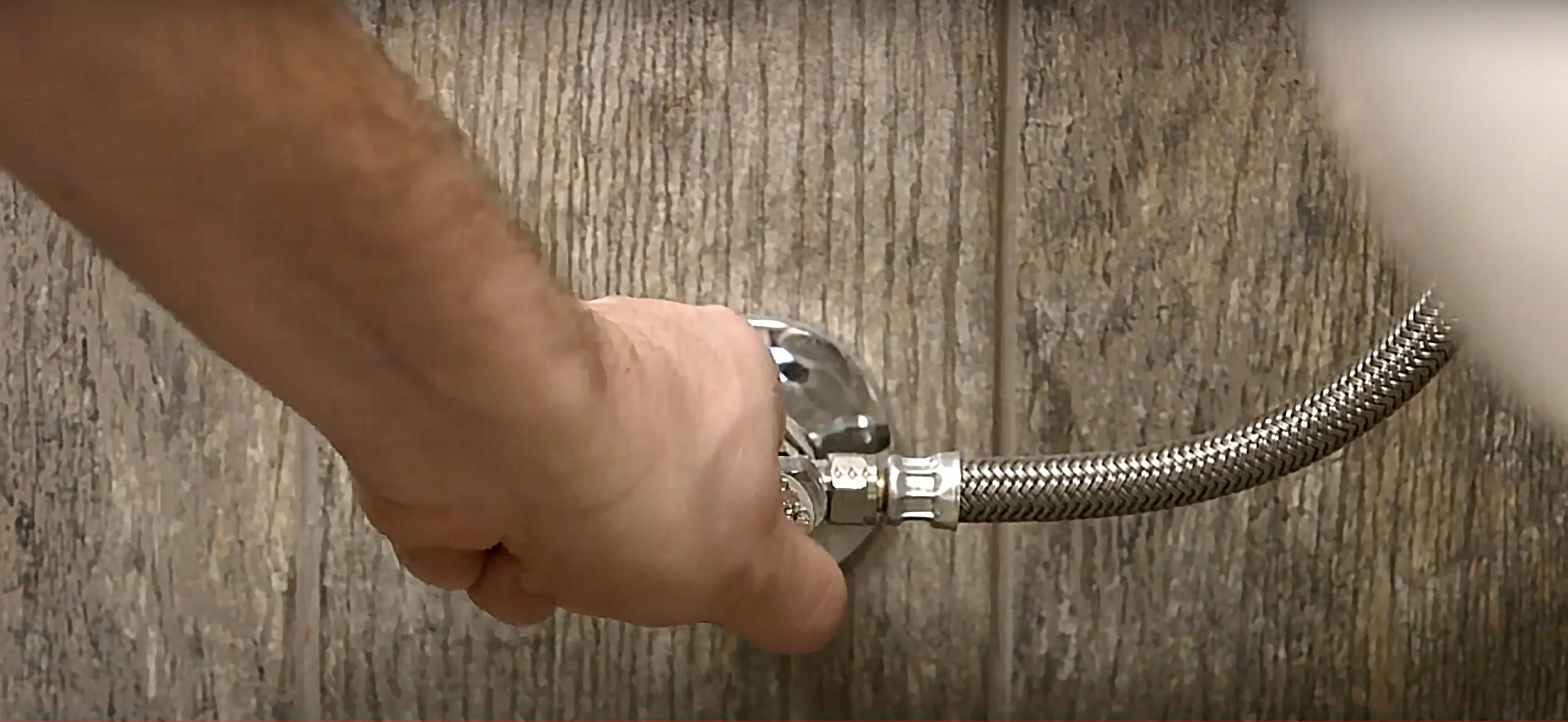
Shut off the water supply to the toilet by turning the valve clockwise. The water shutoff valve should be located behind the toilet on the left side. If the valve is not located there, it is likely in the basement or crawl space of your home (the area between the ground and the first floor).
Step Two
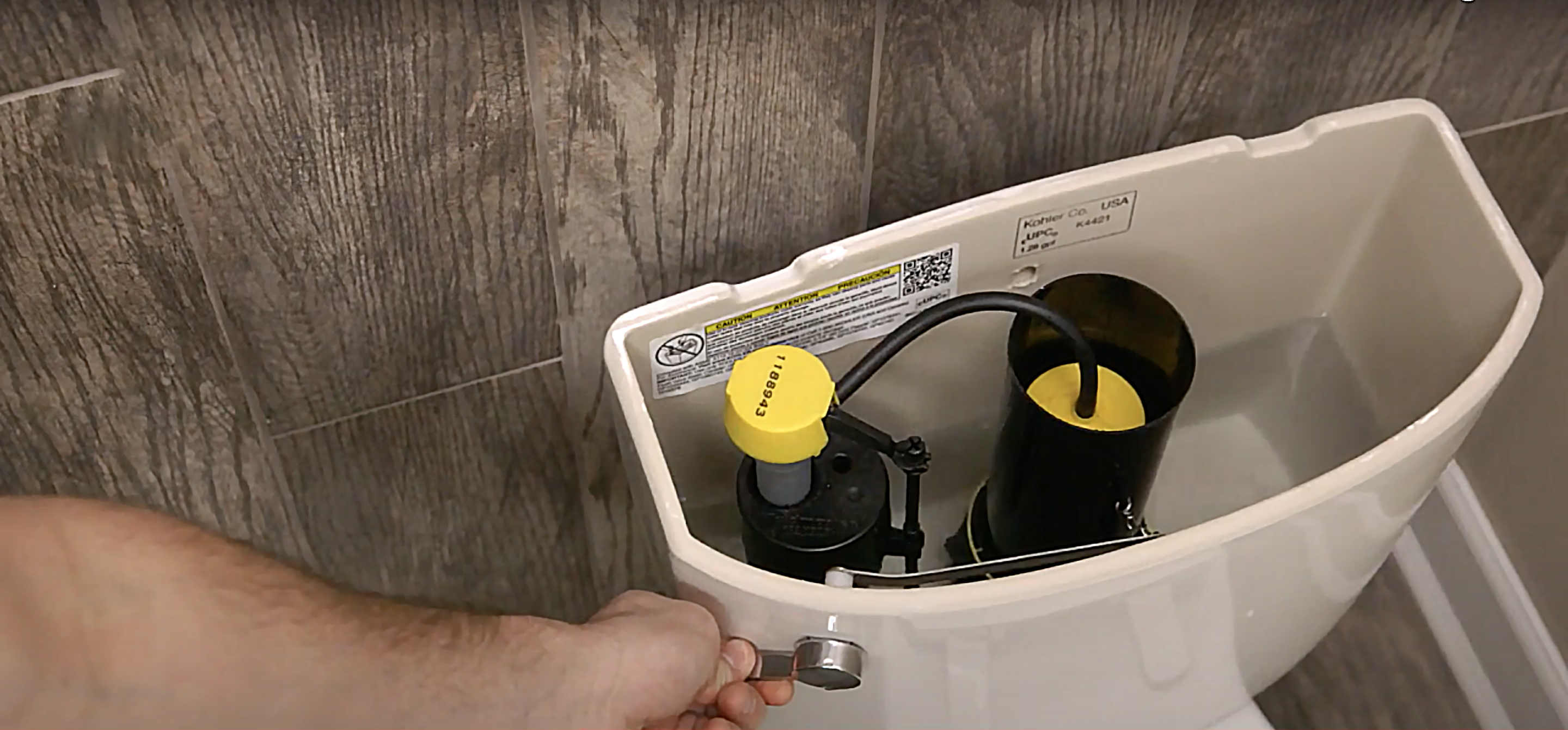
Remove the tank lid and flush the toilet. Hold the handle down to ensure the maximum amount of water drains from the tank and bowl.
Step Three
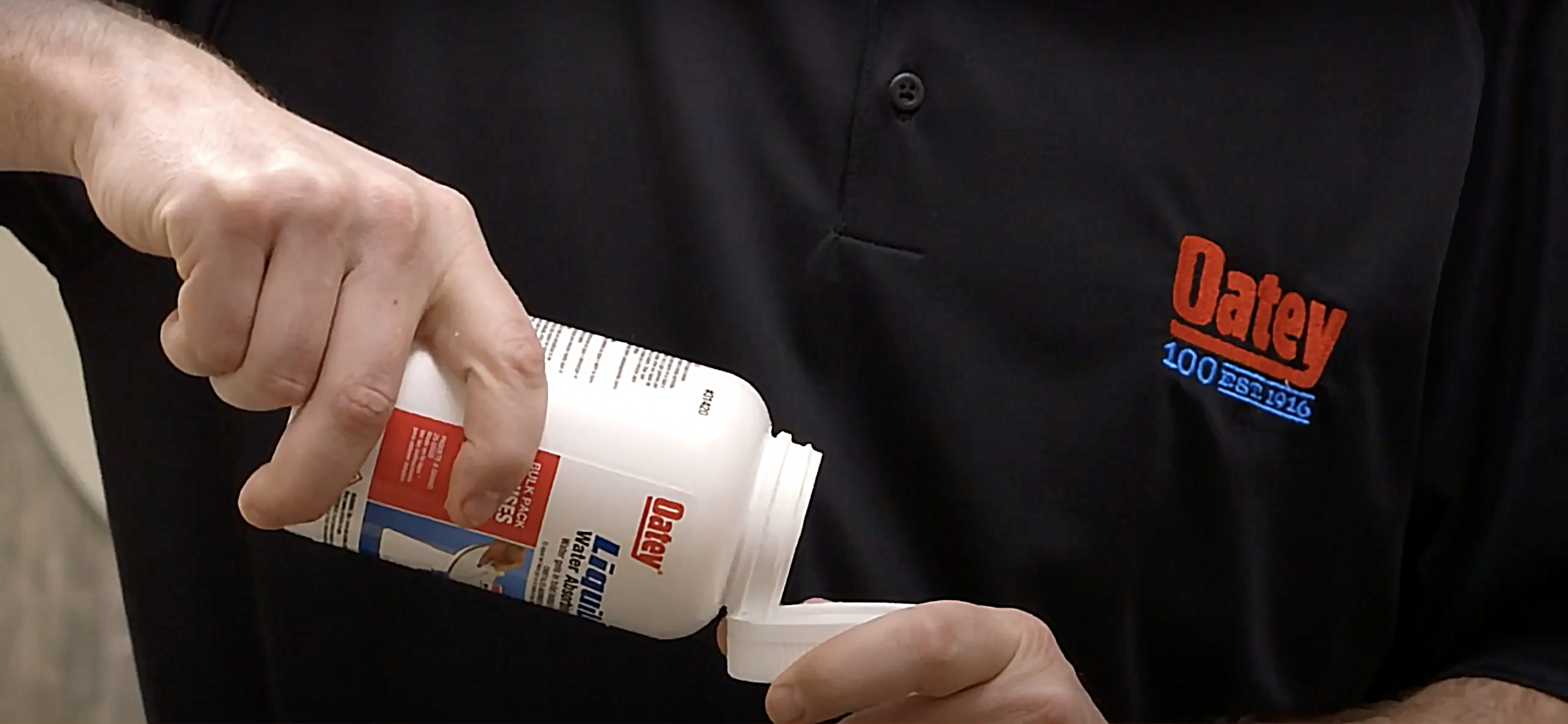
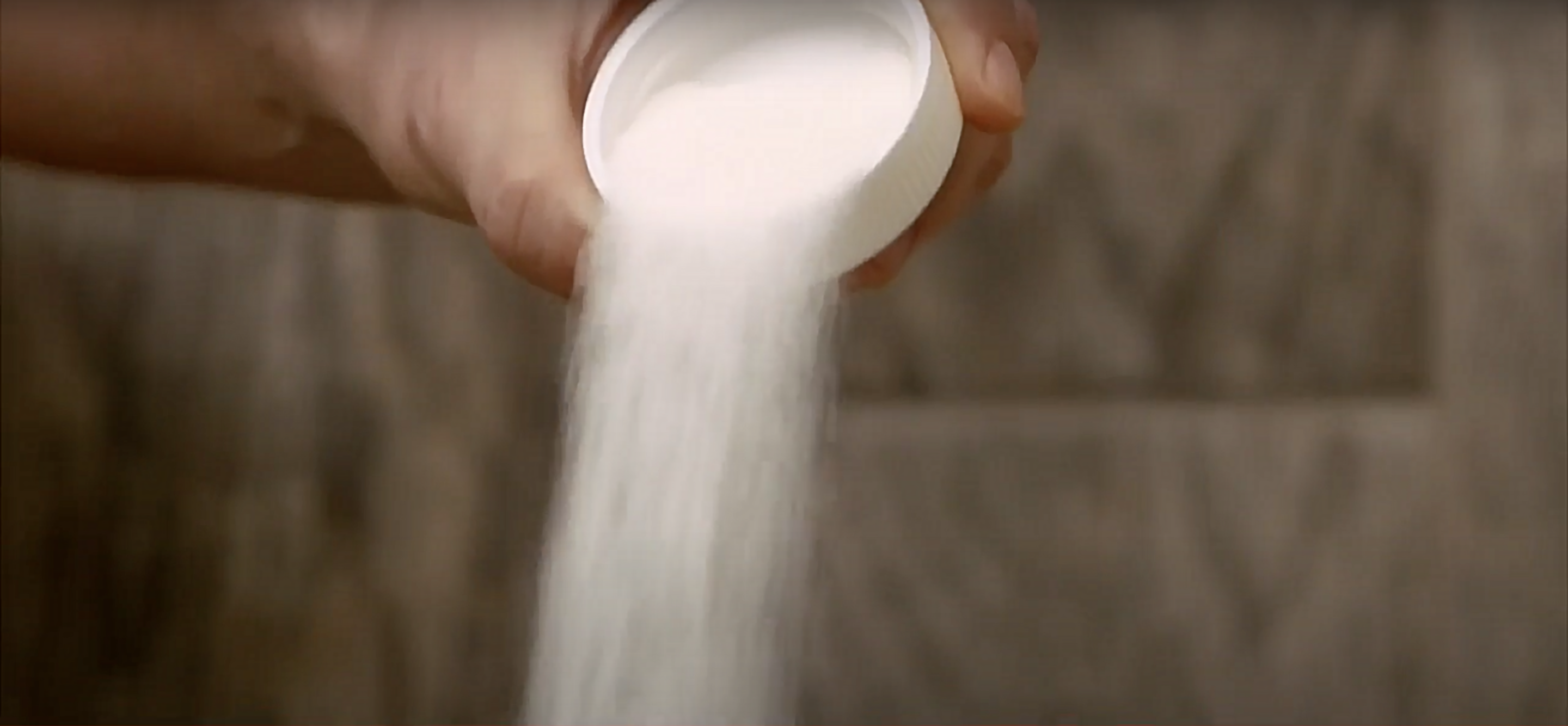
Empty the entire packet of LiquiLock into the water. For 3½ GPF (gallons per flush) or larger toilets, use two packets of LiquiLock and pour simultaneously into the bowl. When using a bulk size of LiquiLock, fill the top thread of the cap and empty the powder into the bowl. For 3½ GPF or larger toilets, pour two caps full of LiquiLock into the bowl at the same time.
Pro Tip: Your toilet's GPF rating is typically stamped on the bowl in front of the tank.
Step Four
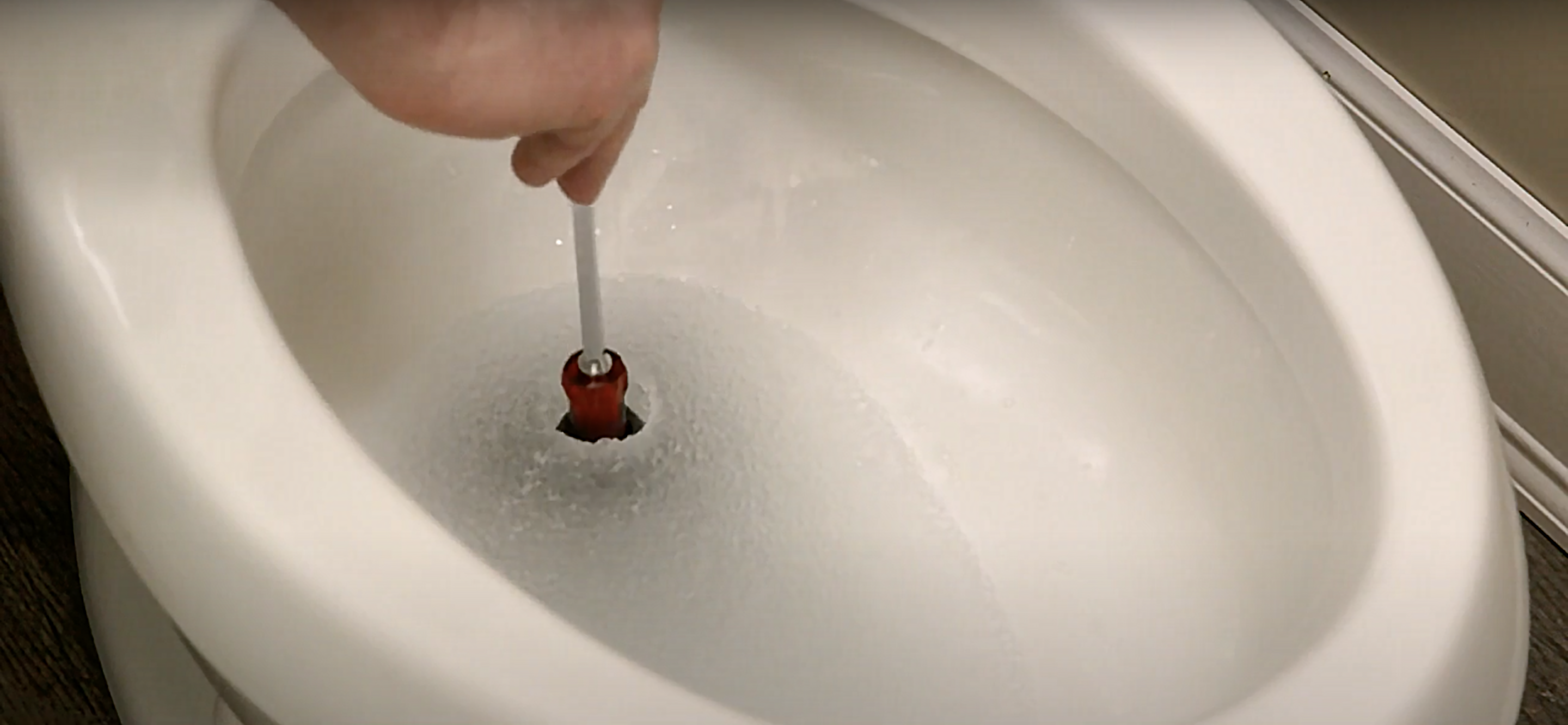
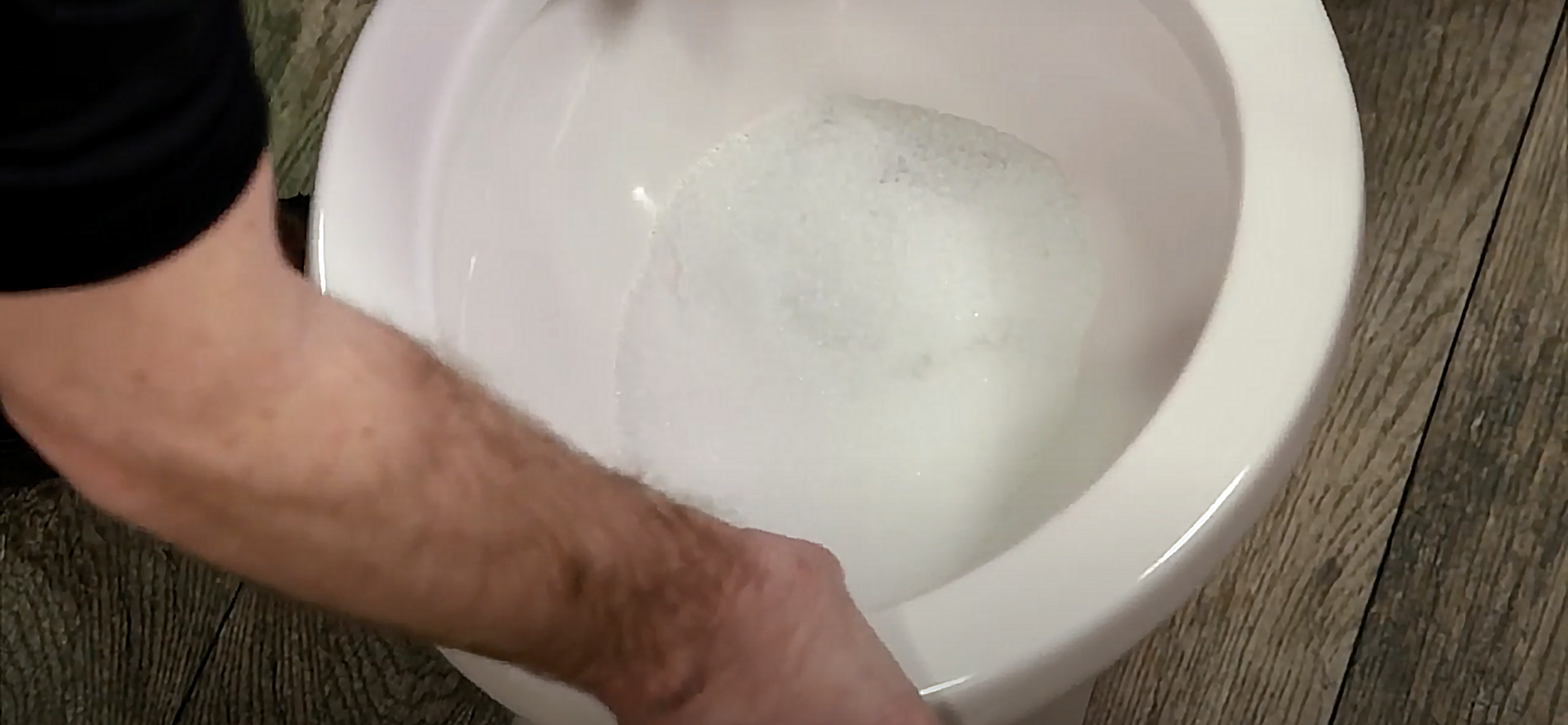
Wait at least four minutes and let the water fully solidify. Then, carefully remove the toilet, keeping it at eye level to prevent any residual water from spilling out of the Trapway.
Once you've finished reinstalling your toilet, reconnect and turn on the water supply line. Allow your toilet tank to fill with water and then flush. Let the LiquiLock sit for about three minutes while water liquifies and becomes flushable.
Published on April 28, 2021