
Installing a toilet flange correctly is one of the most important steps in ensuring a long-lasting, leak-free toilet. A properly installed flange keeps the toilet stable, maintains a secure seal, and helps avoid messy rework or code issues. Whether you're a first-time DIYer or a seasoned pro, these best practices will help you get the job done right.
For a complete overview, see our Guide on How to Repair or Replace a Toilet Flange.
1. How Do You Match the Toilet Flange to the Drainpipe?
Today's market offers a variety of toilet flange types based on material composition. Options include PVC, ABS, cast iron, brass, or materials based on specific application needs.
Always install a toilet flange that matches your drainpipe material:
- PVC to PVC: Use a PVC flange with PVC cement.
- ABS to ABS: Use an ABS flange with ABS cement.
- Cast Iron: Use a cast iron flange designed for cast iron pipe.
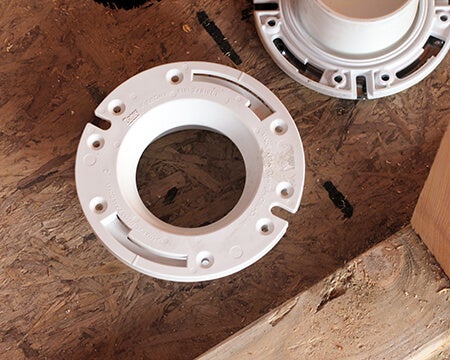
Mixing materials often requires transition fittings or rubber couplings, which add work and risk. Matching “like for like” is simpler, faster, and ensures proper compatibility.
Some commercial jobs require cast iron because it won't burn or release toxic fumes in a fire. Always check the local code to confirm requirements.
Some older homes may still have a lead bend in place, relying on a brass closet flange and requiring a more traditional connection method. You may be familiar with this connection method: It involves peening the lead to the inside of the closet flange and joining the two materials with solder.
When repairing a brass flange, the lead material may well have deteriorated beyond repair. If this is the case, the old lead bend must be replaced.
Pro Tip: Use a closet flange with a knockout plug like the Oatey® Easy Tap® Closet Flange. Knockout flanges are great for new construction or remodels because they let you test the system and block sewer gases without extra plugs. The knockout breaks out cleanly after testing.
A mechanical test plug is better for remodels using an existing flange; it seals with a gasket and wing nut. Both options also keep debris out during work.
Learn more in our Guide to Toilet Flange Types.
2. What's the Correct Height for a Toilet Flange?
The flange should sit on top of or even with the finished floor. This placement ensures a proper wax ring seal and prevents leaks.
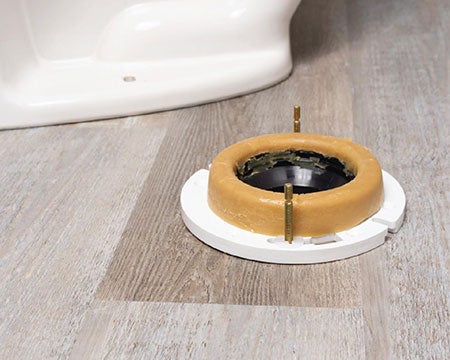
If the flange is too low:
- The wax ring may not seal properly.
- Leak paths will form because the flange is not at the correct height to accept the horn at the bottom of the toilet.
- You may need an extra-thick wax ring or a flange extender to make up the difference.
If the flange is too high:
- The toilet may rock, stressing the seal.
Pro Tips:
- The outer ring of the flange should rest on the finished floor surface. If you use the right wax ring thickness, flush installs are fine.
- If you can't install the flange on top of the finished floor, you can use Set-Rite® Toilet Flange Spacers that mount on top of the existing flange.
- Set-Rite® Toilet Flange Extension Kits are a watertight solution for raising the toilet flange during a remodel. This extension kit allows you to easily extend the flange surface above the finished floor for optimum sealing with a standard wax ring. The kit includes four different-sized spacers and six self-tapping screws to complete the installation.
When you install PVC spacers on top of a PVC toilet flange, you will solvent-weld them together. Alternatively, you can use a 100%-silicone sealant to ensure a watertight seal between the two layers.
3. Why Use a Stainless-Steel Ring on a Toilet Flange?
While toilet flanges are designed not to see water under normal conditions, real-world issues, like a small leak, can expose the ring to moisture over time.
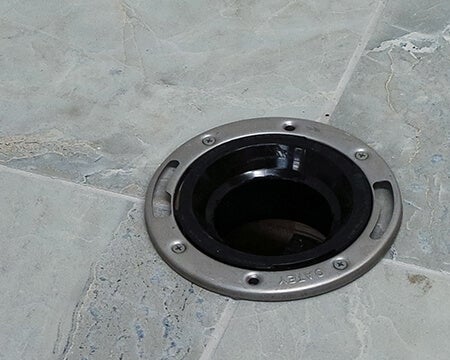
Why stainless steel?
- Resists rust better.
- Holds up even if exposed to long-term leaks.
Pro Tip: In a bathroom where leaks may go unnoticed for years, a stainless-steel ring can make the difference between a simple repair and a costly replacement.
Check out Oatey® flanges with stainless steel rings.
4. How Should You Secure a Toilet Flange to the Floor?
The flange must be fastened securely to the floor, not just the toilet. Without that anchoring:
- Movement can break the wax seal, allowing sewer gas or leaks.
- Bolt holes on plastic flanges can crack, making the toilet unstable.
- The flange can “float” in the opening, leaving the toilet unsecured.
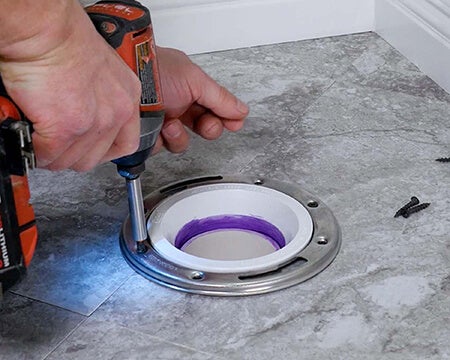
Always use the right hardware for the subfloor:
- Concrete: Use concrete anchors.
- Wood: Use wood screws.
Pro Tips:
- Hercules® Johni-Bolts® make the job easier with durable brass construction, quick breakaway design for cap installation, and multiple lengths to fit different setups.
- Always use rust-proof screws to anchor the flange to the subfloor. We don't recommend drywall screws because they will deteriorate over time if they come in contact with water. At that point, movement can occur, the toilet flange can become damaged, and the pipe connection can become compromised.
- Cover the flange bolt slots with painter's tape (or even cardboard) before setting tile or flooring. This keeps mortar and debris out, saving cleanup time when you're ready to set the toilet.
5. Why Should You Always Replace the Wax Ring and Bolts?
This is a common mistake. Once compressed, a wax ring cannot be reused - even if you remove it minutes after installing. Old bolts should also be replaced because:
- They may be corroded from years of moisture and bacterial exposure.
- Lengths may not match newer toilet bases.
For a secure, long-lasting install, always use a new wax ring and new bolts.
Learn more: How to Replace a Toilet Wax Ring.
Bonus Tip: When Should You Use an Offset Toilet Flange?
If you're working in a remodel or a tight space where the toilet needs to be shifted slightly, an offset flange can help.
See: Should I Use an Offset Toilet Flange?
Key Takeaways
- Match flange and pipe materials for best compatibility.
- Place the flange flush or slightly above the finished floor.
- Choose stainless steel rings where corrosion is a risk.
- Anchor the flange firmly to the subfloor.
- Always replace the wax ring and bolts.
Following these best practices will save time, prevent leaks, and ensure a secure, code-compliant toilet installation.
Published on June 23, 2022
Frequently Asked Questions
-
Should a toilet flange be flush with the floor?
-
No. The toilet flange should sit on top of the finished floor to ensure a proper wax ring seal and prevent leaks or rocking. However, if the flange is even with the finished floor, you can use a jumbo or MaxWax® ring to achieve a secure, watertight seal.
If the flange sits too low, use a flange spacer or extension kit such as the Oatey® Set-Rite® Toilet Flange Spacer System to raise it to the correct height.
-
-
Can you reuse a toilet wax ring when reinstalling a toilet?
-
No. Wax rings are single-use only. Once compressed, they lose their ability to create a watertight seal. Reusing one can lead to leaks, odors, and damage to your subfloor. Always replace the wax ring—or use a non-wax seal—each time you reinstall a toilet.
-
-
What type of toilet flange should I use?
-
Always match the flange material to the drainpipe:
- PVC pipe → PVC flange with PVC cement
- ABS pipe → ABS flange with ABS cement
- Cast iron pipe → cast iron flange
This ensures compatibility and prevents failure at the joint. When in doubt, check your local plumbing code or refer to the Guide to Toilet Flange Types.
-
-
How do you secure a toilet flange to the floor?
-
Anchor the flange directly to the subfloor using the correct fasteners:
- Wood subfloor: Use rust-resistant wood screws
- Concrete subfloor: Use concrete anchors
Avoid drywall screws-they can corrode over time and cause flange movement. For a durable hold, use Hercules® Johni-Bolts® or similar rust-proof hardware.
-
-
When should you use an offset toilet flange?
-
Use an offset toilet flange when the drainpipe is not perfectly centered or when space limitations require the toilet to be shifted slightly. This type of flange allows for minor adjustments without moving the waste line. Learn more in Should I Use an Offset Toilet Flange?.
-